
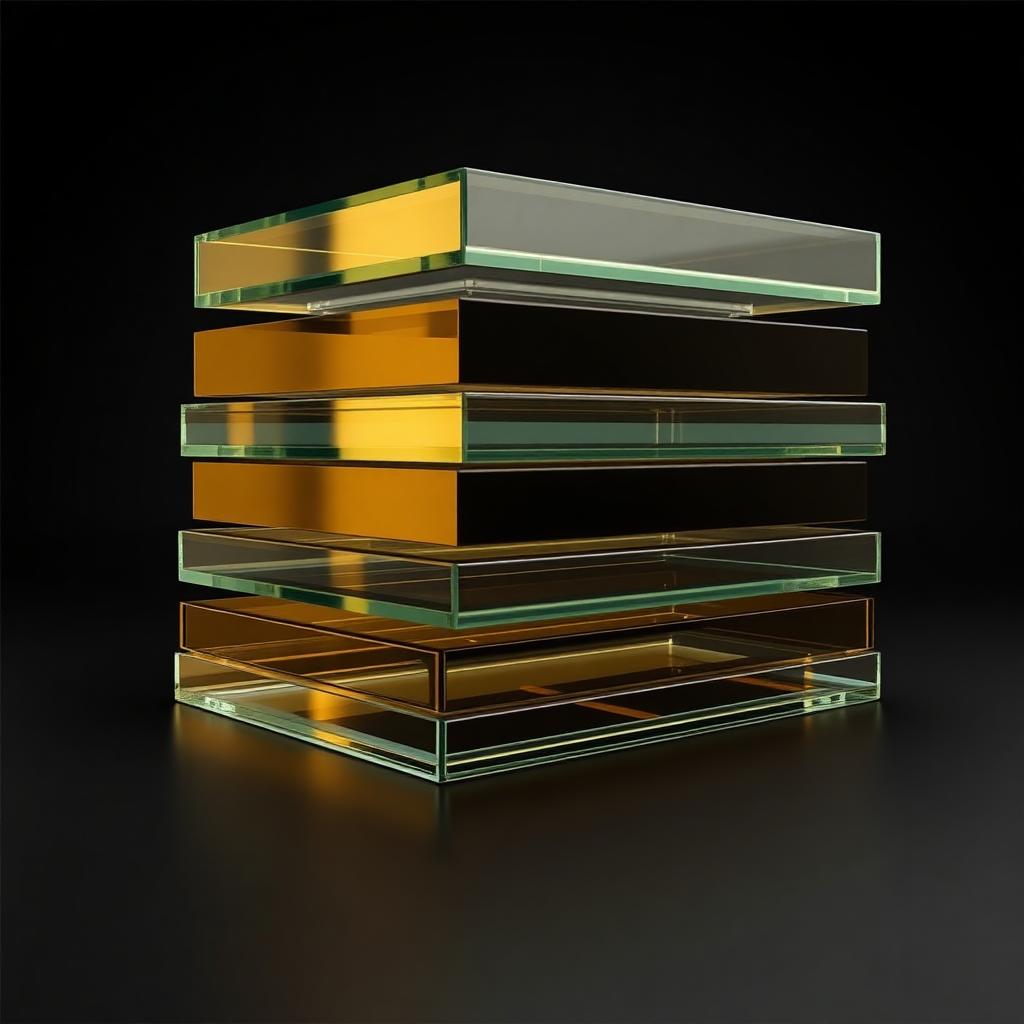
Glass thickness is chosen from the span between supports, the load the glass will carry and whether people can walk into or lean on it. Larger unsupported spans and any human-impact location call for thicker and, where relevant, toughened glass. Always confirm the specification for your exact size with the supplier or fabricator.
What actually drives thickness
- Span — the unsupported distance between fixings
- Load — books and appliances versus decorative items
- Impact risk — doors, partitions and shower areas
- Fixing method — clamped, framed or fully supported
- Edge treatment and finish
Common interior applications
| Application | Main consideration |
|---|---|
| Small display shelf | Short span, light load |
| Long or loaded shelf | Span and deflection; extra support often needed |
| Table top | Load, edge finish and overhang |
| Partition or shower area | Impact safety; toughened glass is standard practice |
| Wardrobe or wall mirror | Backing, fixing method and edge finish |
Safety first in impact areas
Anywhere a person could walk into the glass or fall against it, safety glass is the norm. Toughened glass must be cut and drilled before tempering, so finalise sizes and holes before fabrication begins.
What to bring when you enquire
- Exact opening or panel dimensions
- How the glass will be supported or fixed
- Intended use and expected load
- Any edge polish, holes or cut-outs required
Share those details with us at the showroom and we can help work through the options available for your application.
Frequently asked questions
Is toughened glass necessary for a shower partition?
Impact-prone locations such as shower partitions and glass doors are normally specified in safety glass. Confirm the requirement for your specific installation before fabrication.
Shop these materials at the showroom
Still deciding? Ask us directly.
Visit the showroom near Lakeshar Tent House, Mandi 365 Head, or send your requirement.