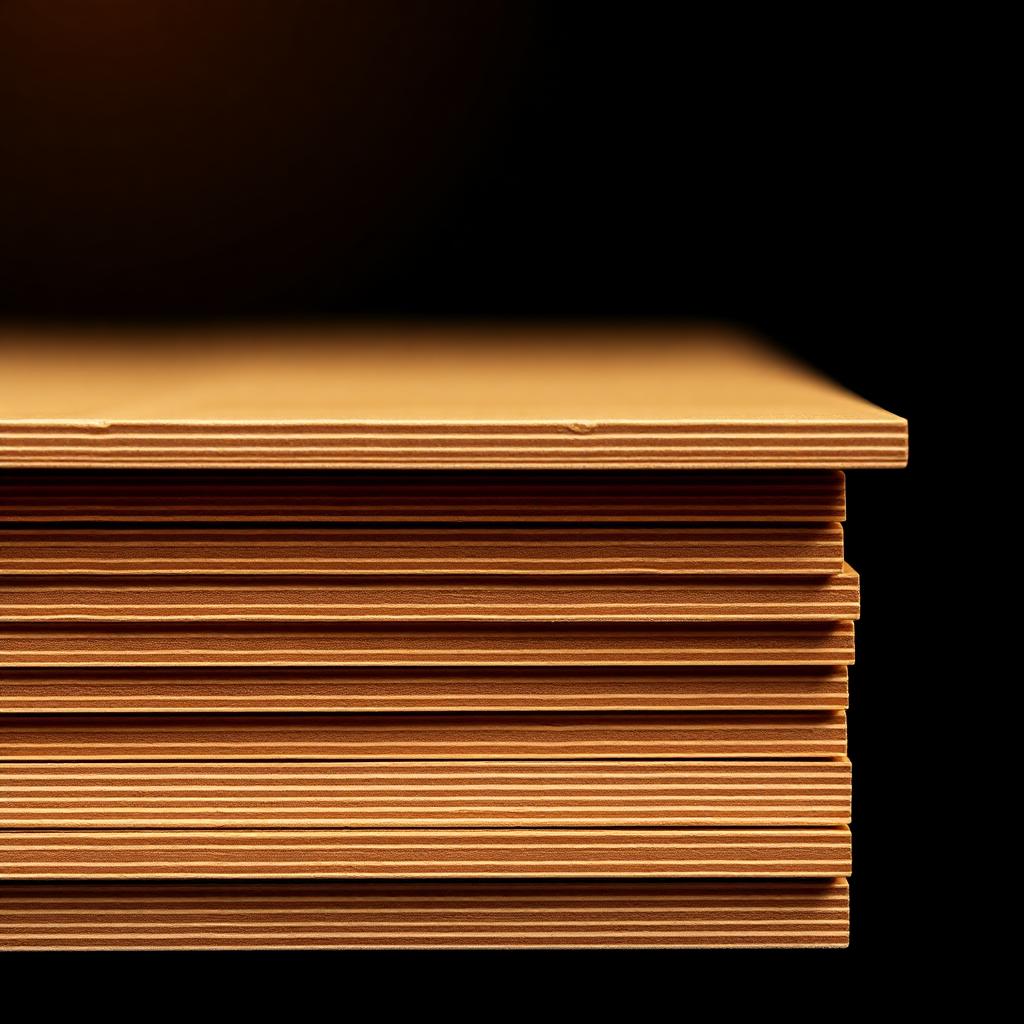
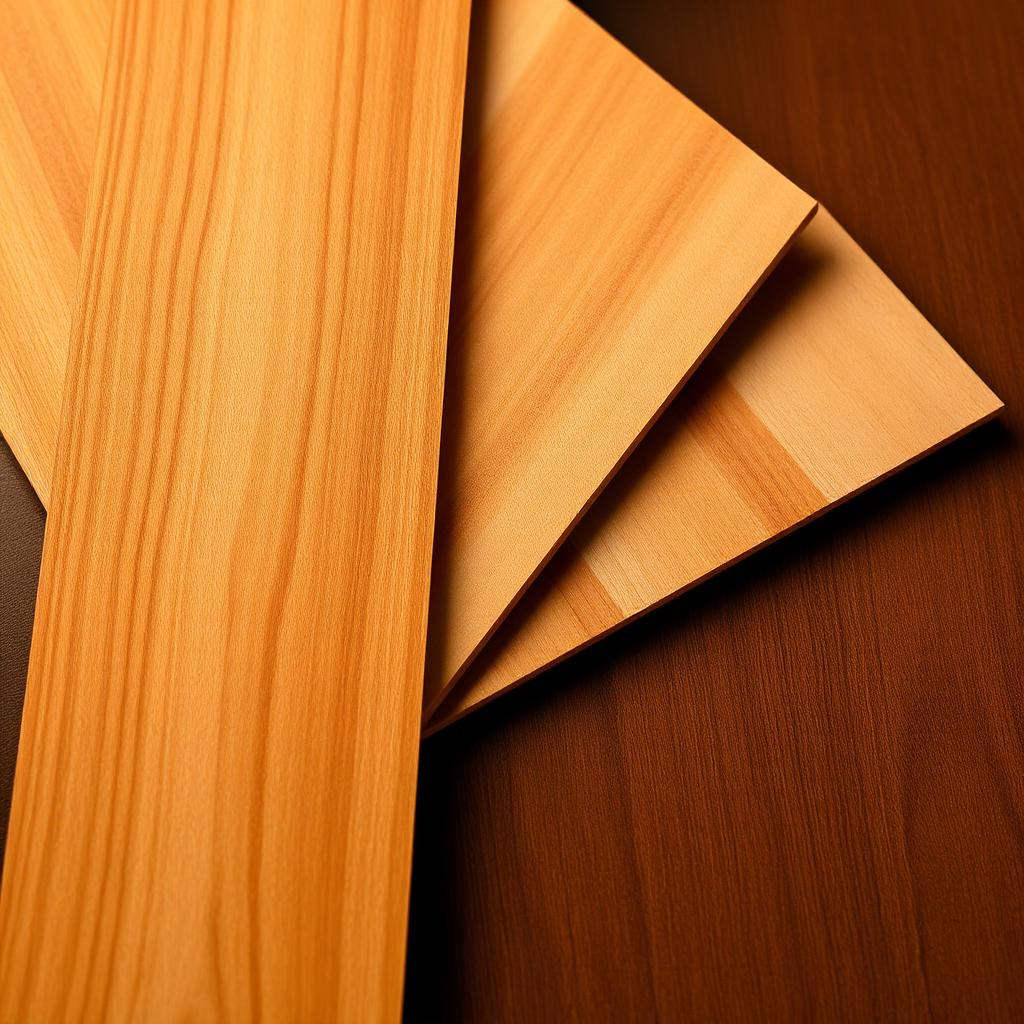
Keep veneered surfaces out of prolonged direct sun and standing water, dust them with a soft dry cloth, and avoid dragging sharp or rough objects across the polish. Re-polishing may be needed over the years depending on use and exposure.
Daily care
- Dust with a soft, dry or barely damp cloth along the grain
- Wipe spills immediately rather than letting them sit
- Use coasters and mats under glasses, vases and hot vessels
- Lift objects rather than sliding them across the surface
What ages a veneer fastest
- Long hours of direct sunlight, which can fade the tone unevenly
- Standing water, especially at edges and joints
- Abrasive cleaners and scouring pads, which cut into the polish
- Heavy solvents that soften the finish
Natural variation is not a defect
Veneer is a thin layer of real wood, so grain, figure and tone vary from sheet to sheet and even across a single panel. That variation is the reason people choose it over a printed finish. Colour can also mellow gradually with light exposure.
Re-polishing
Because the finish sits on top of real wood, a tired surface can usually be refreshed by a carpenter or polisher rather than replaced. How often that is needed depends on the room, the sunlight and how hard the surface is used.
Choosing veneer
If you are weighing veneer against laminate, seeing both is the quickest way to decide. Our showroom near Lakeshar Tent House, Mandi 365 Head keeps veneer and decorative panel options on the floor alongside laminates.
Frequently asked questions
Can veneer be used in kitchens?
It is used in kitchens, usually away from the wettest zones, and needs prompt wiping of spills and well-sealed edges to stay in good condition.
Why has my veneer changed colour?
Natural wood mellows with light exposure. Uneven fading usually means one part of the surface gets much more direct sunlight than the rest.
Shop these materials at the showroom
Still deciding? Ask us directly.
Visit the showroom near Lakeshar Tent House, Mandi 365 Head, or send your requirement.