
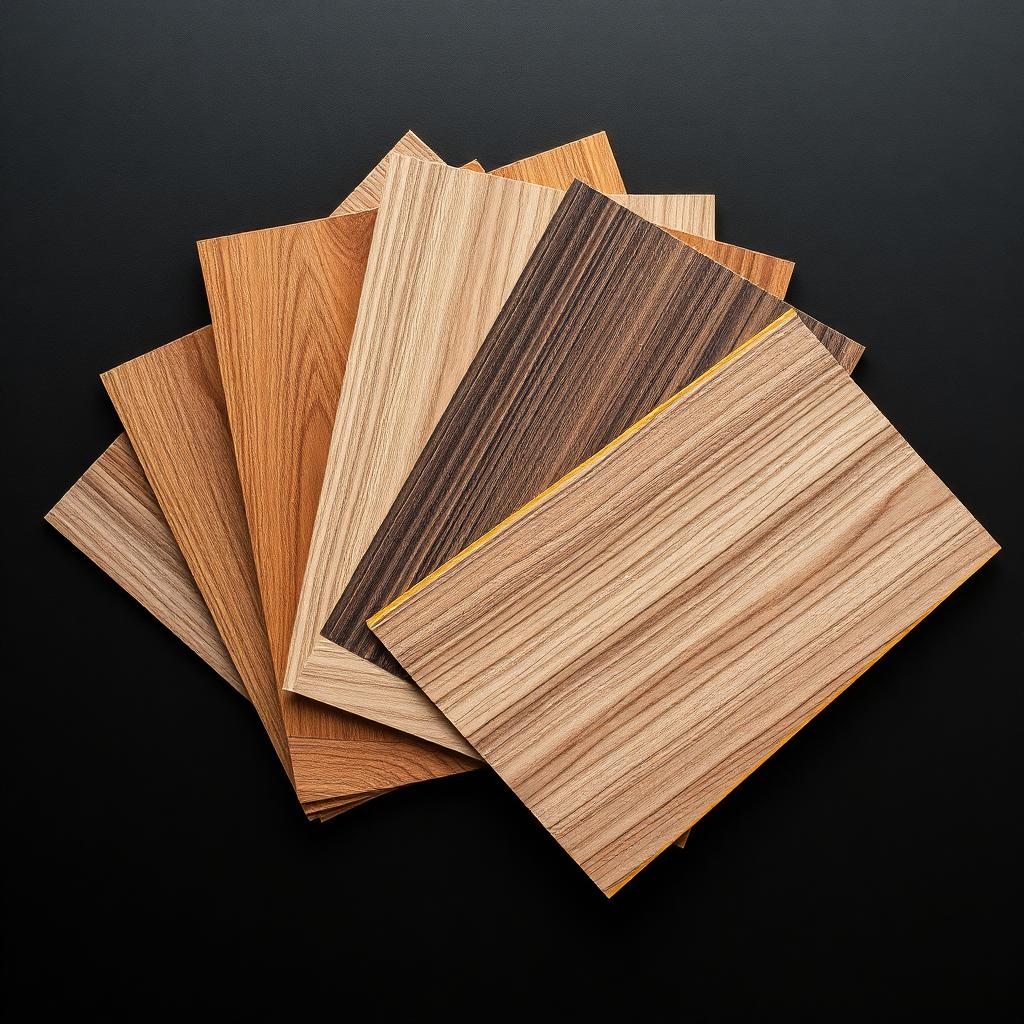
Quick answer
Pick laminate by use first: thicker laminates are typically used on exposed surfaces that take wear, thinner ones on internal or lightly used surfaces. Then choose the finish — matt, gloss or textured — and only after that narrow the shade.
Thickness follows the surface's job
- Exposed shutters, table tops and counters take the most wear
- Internal carcass surfaces and unseen panels are lighter duty
- Post-forming and curved applications need a laminate suited to bending
Finish changes how the room feels
| Finish | Character | Practical note |
|---|---|---|
| Matt / suede | Soft, low reflection | Hides fingerprints better than gloss |
| Gloss | Bright, reflective | Shows marks more readily; needs regular wiping |
| Textured / wood grain | Tactile, natural look | Grain direction should run consistently |
Choosing the shade
View samples in the light of the actual room where possible — daylight and warm indoor lighting can change how a shade reads. Look at a large sample rather than a small chip, and hold it against the flooring and wall colour.
Practical checks before finalising
- Confirm the same batch or shade code for a continuous run of furniture
- Decide edge banding colour along with the laminate
- Plan grain direction across adjacent shutters
- Check how easy the finish is to clean day to day
Our laminates section keeps a wide range of finishes on display, so you can compare full sheets rather than small chips before you commit.
Shop these materials at the showroom
Still deciding? Ask us directly.
Visit the showroom near Lakeshar Tent House, Mandi 365 Head, or send your requirement.