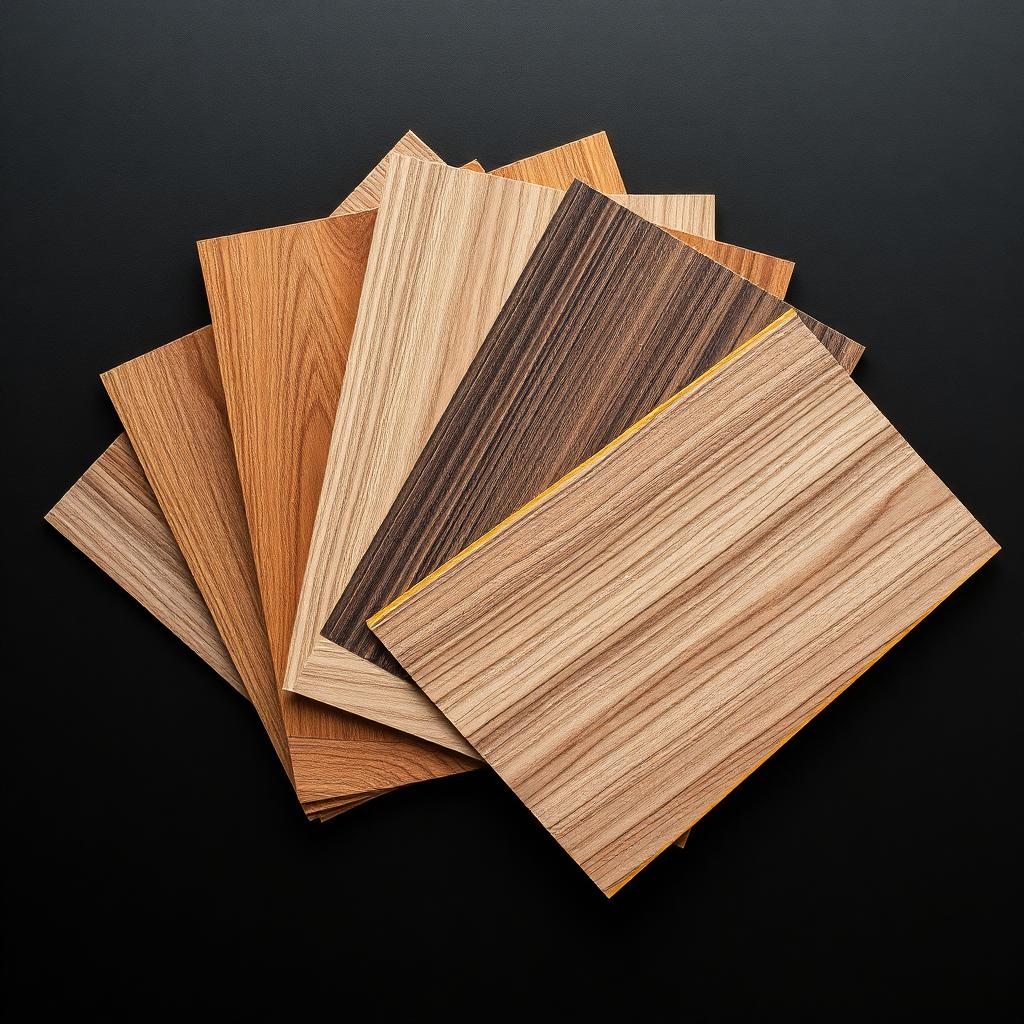
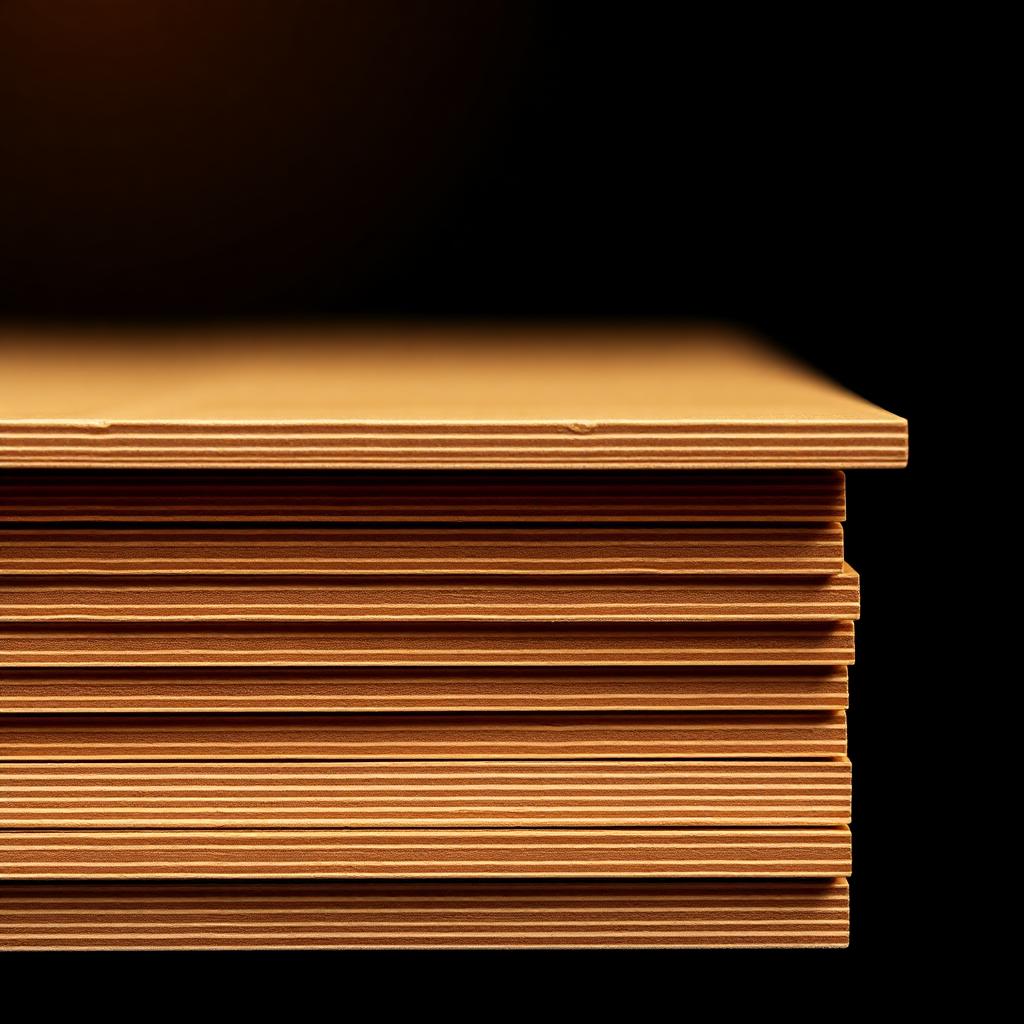
Plywood is generally chosen for structural furniture and areas where screws must hold well; MDF is generally chosen for smooth painted or membrane finishes and detailed profiles. Many projects use both — plywood for the carcass, MDF for shutters that need a flawless painted face.
How they are made
Plywood is built from thin wood veneers glued in cross-oriented layers, which is what gives it its strength in both directions. MDF is an engineered panel made from fine wood fibres pressed into a dense, uniform board with no grain.
Side-by-side comparison
| Aspect | Plywood | MDF |
|---|---|---|
| Structure | Cross-layered veneers | Uniform pressed fibres |
| Screw holding | Generally strong, including in edges | Weaker in edges; needs suitable fixings |
| Surface | Grain visible; usually laminated or veneered | Very smooth and even; suits paint |
| Weight | Lighter for the same thickness | Heavier and denser |
| Machined profiles | Edges can chip | Takes routed profiles cleanly |
| Moisture | Grade dependent | Sensitive unless a moisture-resistant type is used |
When plywood usually makes sense
- Carcasses, shelves and anything carrying load
- Areas where hinges and hardware will be screwed repeatedly
- Furniture that may be dismantled and reassembled
When MDF usually makes sense
- Painted, PU-finished or membrane shutters
- Routed and profiled panel designs
- Flat, seamless surfaces where grain telegraphing is unwanted
Deciding for your own project
Rather than looking for a single winner, split the decision by component. Ask what each panel has to do — hold weight, hold screws, take a paint finish, or resist moisture — and pick the board that suits that job. Our team at the showroom can walk you through both boards in person.
Shop these materials at the showroom
Still deciding? Ask us directly.
Visit the showroom near Lakeshar Tent House, Mandi 365 Head, or send your requirement.