
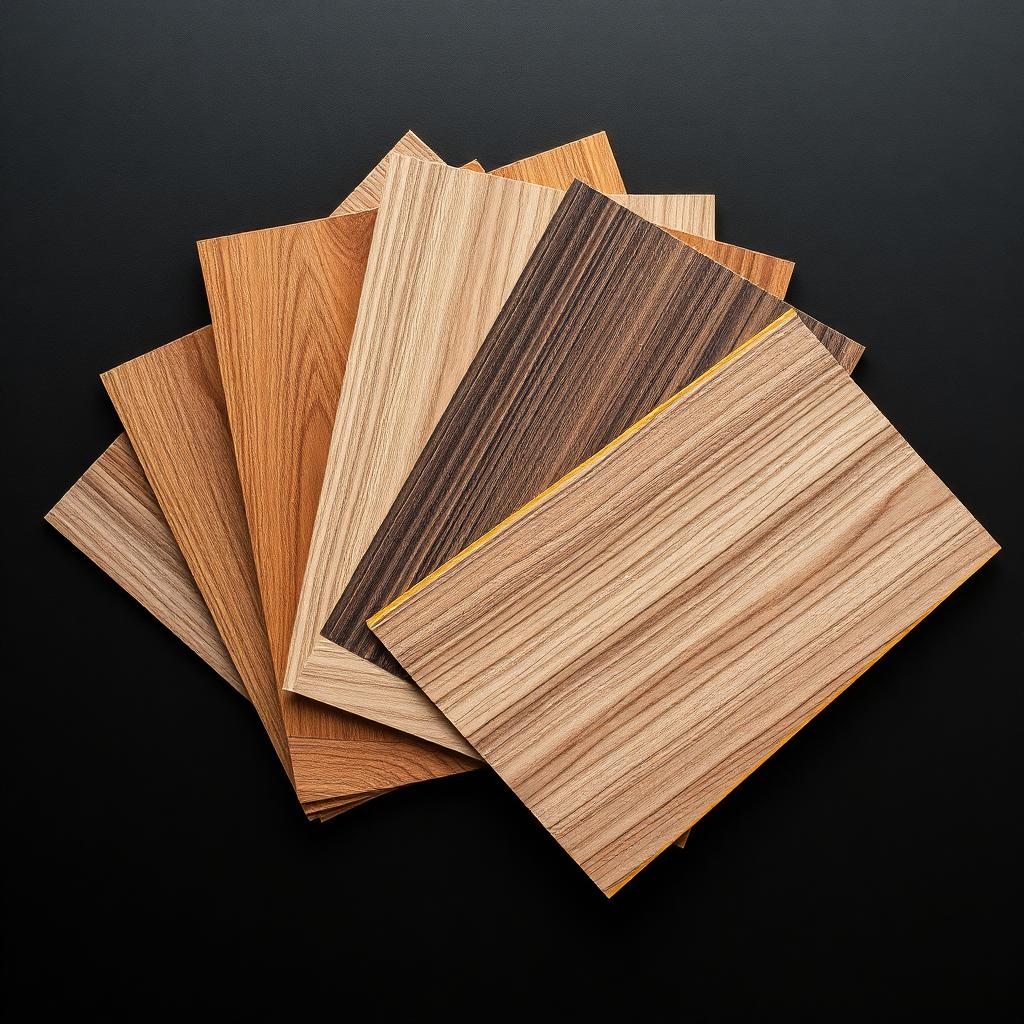
Wipe laminated surfaces with a soft, slightly damp cloth and a mild cleaner, then dry them. Avoid abrasive pads, scouring powders and harsh solvents, which can dull the finish over time. Keep water from sitting along edges and joints, where it can work into the substrate.
A simple routine
- Dust regularly with a dry microfibre cloth
- For marks, use a cloth dampened with water and a mild household cleaner
- Wipe dry afterwards rather than letting the surface air-dry
- Clean spills near edges and joints promptly
What to avoid
- Steel wool, scouring pads and abrasive powders
- Strong solvents and bleach-heavy cleaners on decorative faces
- Leaving wet cloths or standing water on a counter overnight
- Cutting directly on a laminated counter — use a board
- Placing very hot vessels straight onto the surface
Keep an eye on the edges
Most laminate problems start at an edge or a joint rather than in the middle of a panel. If a band starts to lift at a corner, get it re-bonded before water finds its way in. Around sinks and hobs, dry the edges after cleaning.
Choosing with maintenance in mind
If a surface is going to be cleaned every day, the finish matters as much as the design. Matte and textured sheets hide daily marks better than gloss. Our laminate catalogues near Lakeshar Tent House, Mandi 365 Head include all three, so you can weigh look against upkeep before choosing.
Frequently asked questions
Can I use a glass cleaner on laminate?
A mild spray cleaner on a soft cloth is generally fine for routine marks, but avoid abrasive or strongly solvent-based products on decorative faces.
How do I remove a stubborn stain?
Start with a mild cleaner and a soft cloth and give it time to act rather than scrubbing. Abrasive scrubbing can leave a permanent dull patch.
Shop these materials at the showroom
Still deciding? Ask us directly.
Visit the showroom near Lakeshar Tent House, Mandi 365 Head, or send your requirement.