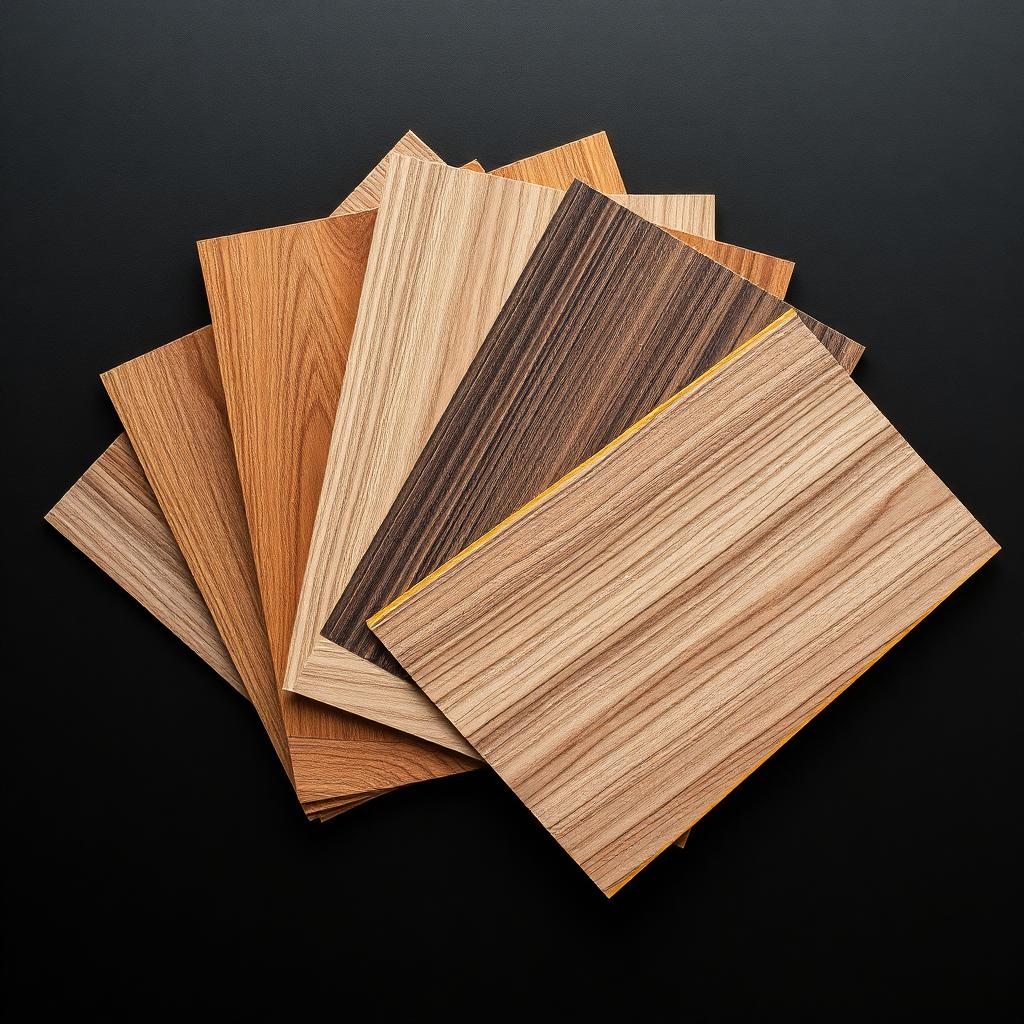
Veneer is a thin layer of real wood bonded to a board and polished after fitting, so every panel shows natural grain variation. Laminate is a manufactured sheet with a printed decorative surface that arrives finished and needs no polishing. Choose veneer for a natural wood look and laminate for a wider, more predictable range of finishes with simpler upkeep.
What is veneer?
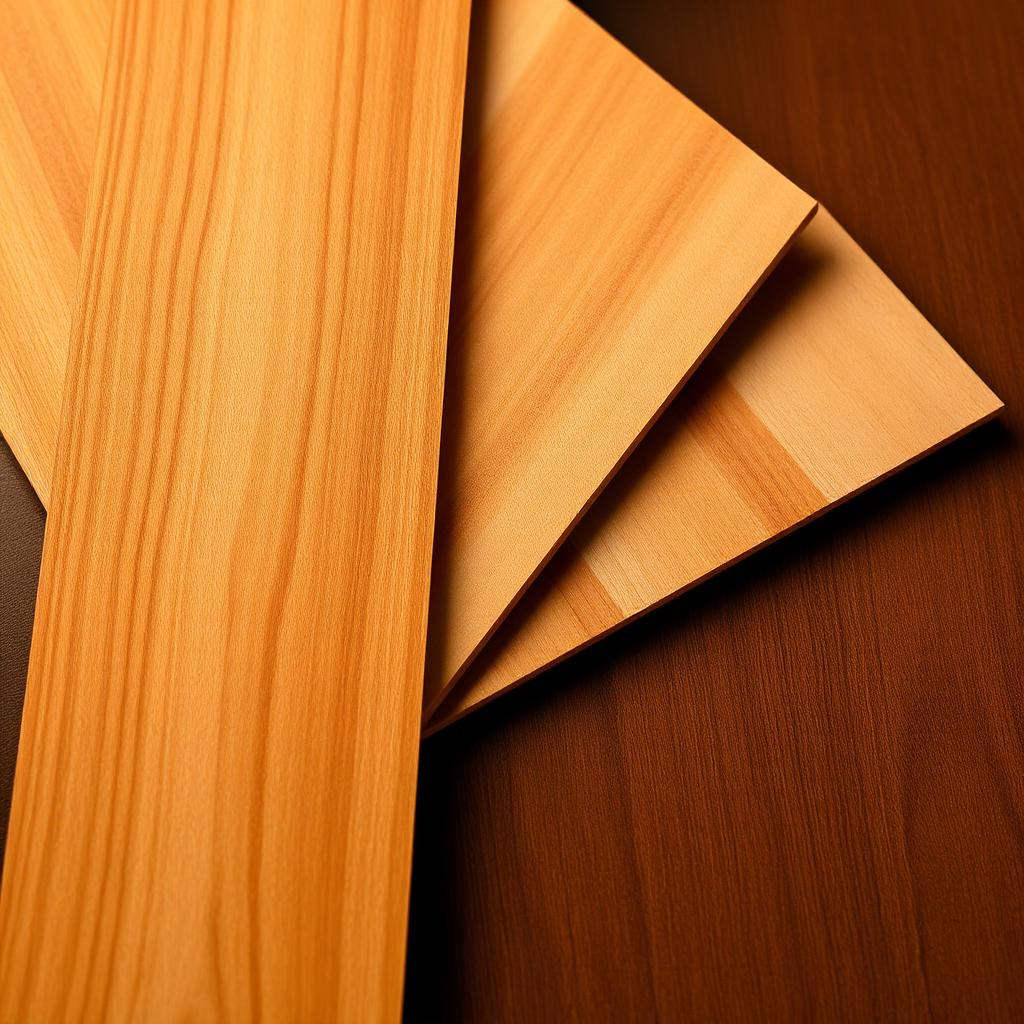
Veneer is real timber sliced thin and pressed onto a substrate such as plywood or MDF. Because it is natural wood, grain and tone vary between sheets, and matching is part of the job. Veneered work is polished after installation, which is what gives it depth.
What is laminate?
Laminate is a manufactured decorative sheet bonded to a board. It comes in solid colours, wood-look prints, textures and metallics, and the finish is complete when the sheet leaves the factory. That predictability is its main practical advantage — what you see on the sample is what you get on the shutter.
How do they compare day to day?
| Point | Veneer | Laminate |
|---|---|---|
| Surface | Real wood, natural grain variation | Manufactured decorative sheet |
| Finishing | Polished after fitting | Arrives finished |
| Look | Warm, unique per panel | Consistent and repeatable |
| Range | Wood species and cuts | Colours, textures, prints, gloss levels |
| Upkeep | Keep dry, avoid harsh sun; re-polishing over years | Wipe with a soft damp cloth and mild cleaner |
Which suits kitchens and high-use furniture?
Laminate is the more common choice for kitchen shutters and everyday furniture because it needs no on-site finishing and cleans easily. Veneer is more often used on statement pieces, wall panelling and living-room units. Our laminate selection guide covers finish and grade choices in more detail.
The board underneath still matters
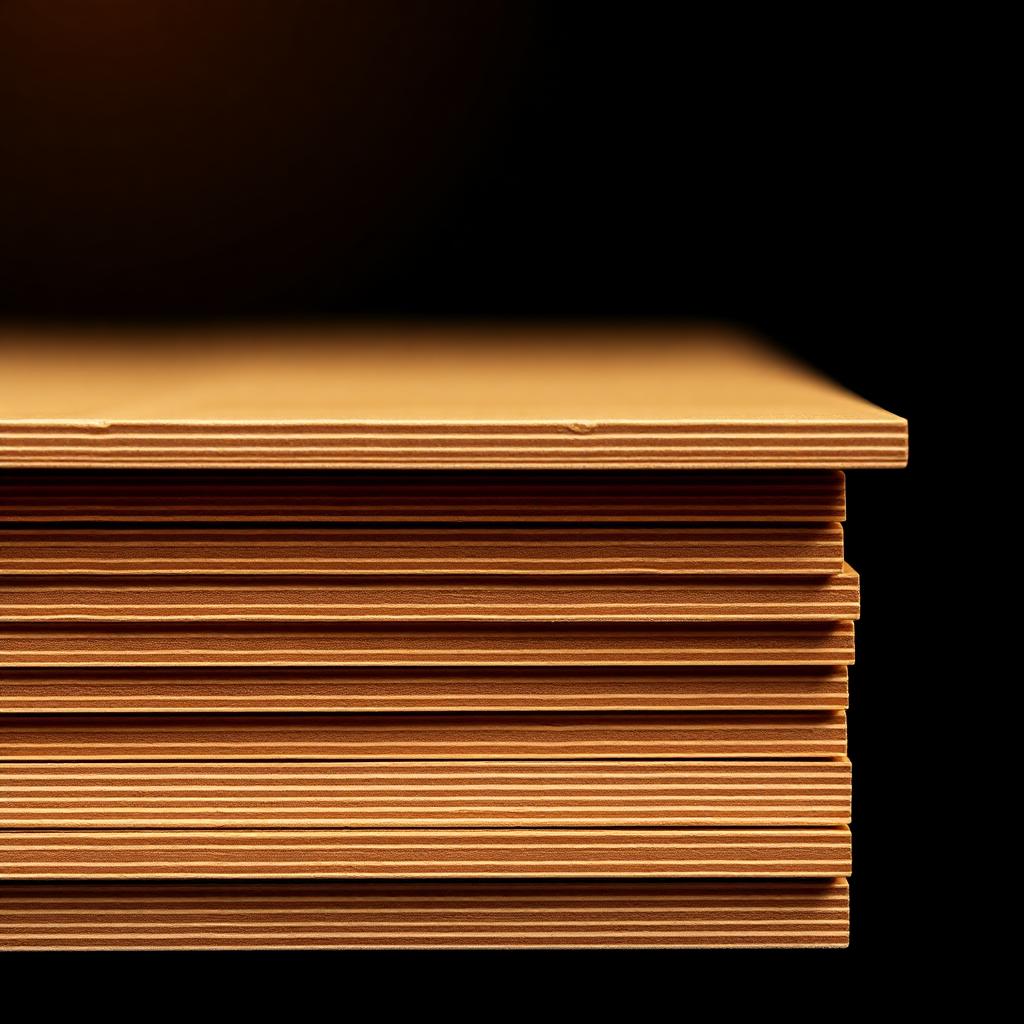
Neither surface fixes a poor substrate. Both need a flat, well-graded board, and in moisture-prone areas the board grade matters more than the surface. Read our guide to choosing plywood before you finalise the finish.
A short checklist before deciding
- Decide the room and its moisture level first
- View physical samples in the room's own light, not just under showroom lighting
- Plan grain direction if you are using a wood look across several panels
- Confirm who will polish veneered work and when
- Keep the edge finish consistent with the face
Seeing samples together
Comparing a veneer sheet and a laminate of the same wood tone side by side makes the difference obvious very quickly. Both are available to view at our showroom near Lakeshar Tent House, Mandi 365 Head.
Frequently asked questions
Is veneer more expensive than laminate?
Costs depend on the species, sheet and the polishing work involved, so compare specific options rather than the categories in general. Veneer also carries on-site finishing labour that laminate does not.
Can veneer be used in a kitchen?
It can be used in dry parts of a kitchen, but laminate is more commonly chosen for shutters near sinks and cooking areas because it needs no polishing and wipes clean.
Do veneer sheets look identical?
No. Veneer is natural wood, so grain and tone vary between sheets. Panels intended to sit together are usually selected and matched at the time of purchase.
Shop these materials at the showroom
Still deciding? Ask us directly.
Visit the showroom near Lakeshar Tent House, Mandi 365 Head, or send your requirement.